📌 Introduction
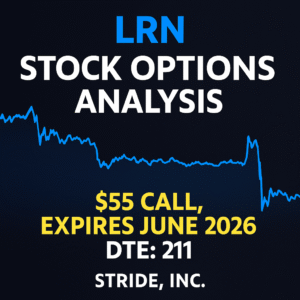
Stride, Inc. (LRN) has undergone one of the steepest and fastest collapses in its trading history — dropping from the $160s down into the mid-$60s within days. Such a collapse typically signals panic, forced selling, and institutional deleveraging. But historically, oversized collapses in fundamentally strong companies often offer high-conviction opportunities.
In this report, we will analyze LRN across technical charts, fundamentals, news catalysts, analyst sentiment, insider trading, options flow, and finally construct a strategic LEAPS trade using the $55 strike call expiring June 18, 2026 (211 DTE). This structure allows us to profit primarily from delta + vega expansion, rather than needing the stock to exceed the strike.
📊 Technical Chart Breakdown
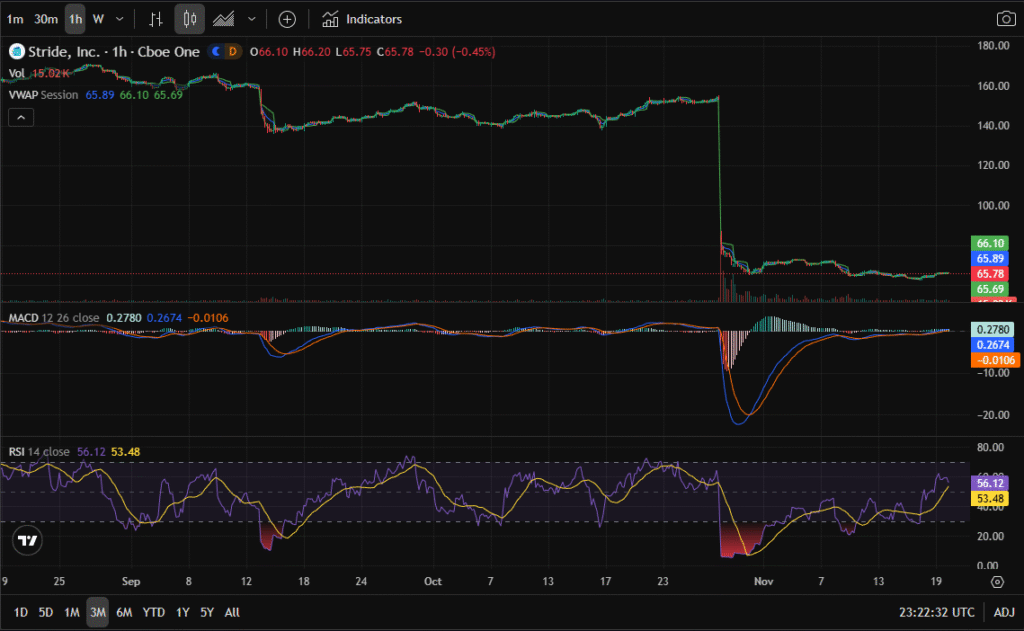
3-Month Chart
LRN shows a violent, vertical drop followed by immediate stabilization. The MACD on the 3-month is showing a bullish crossover, while RSI is neutral—not oversold yet, but showing upward momentum.
This pattern is typical of a capitulation phase where buyers begin defending a new range.
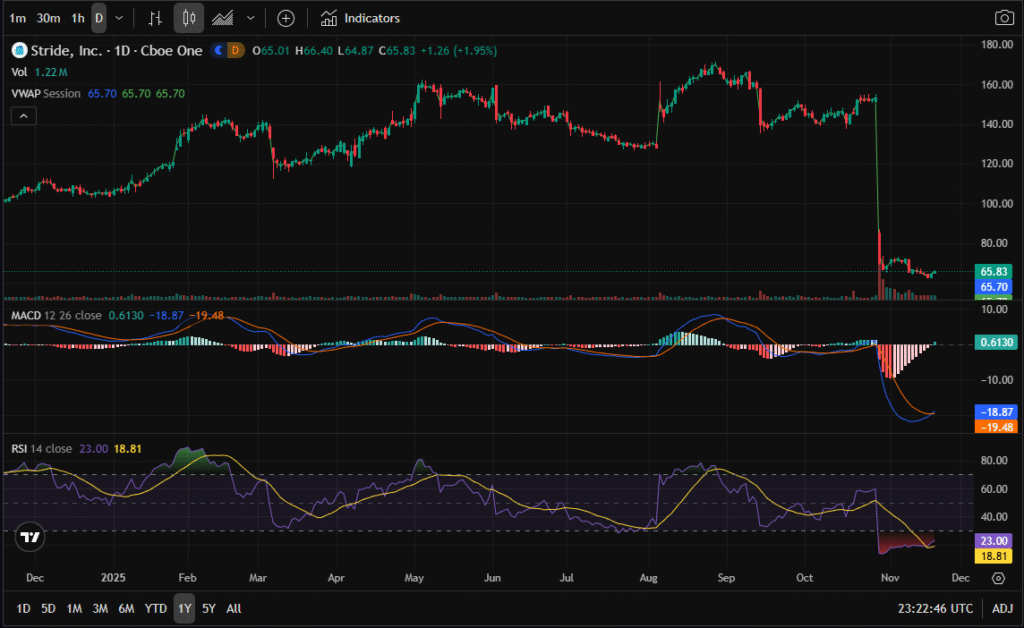
1-Year Chart
The stock has printed a 1-year low, accompanied by a deeply oversold RSI reading (18–23 range). MACD is curling upward, signaling early bullish momentum.
Oversold conditions + bullish MACD crossovers form strong historical reversal signals.
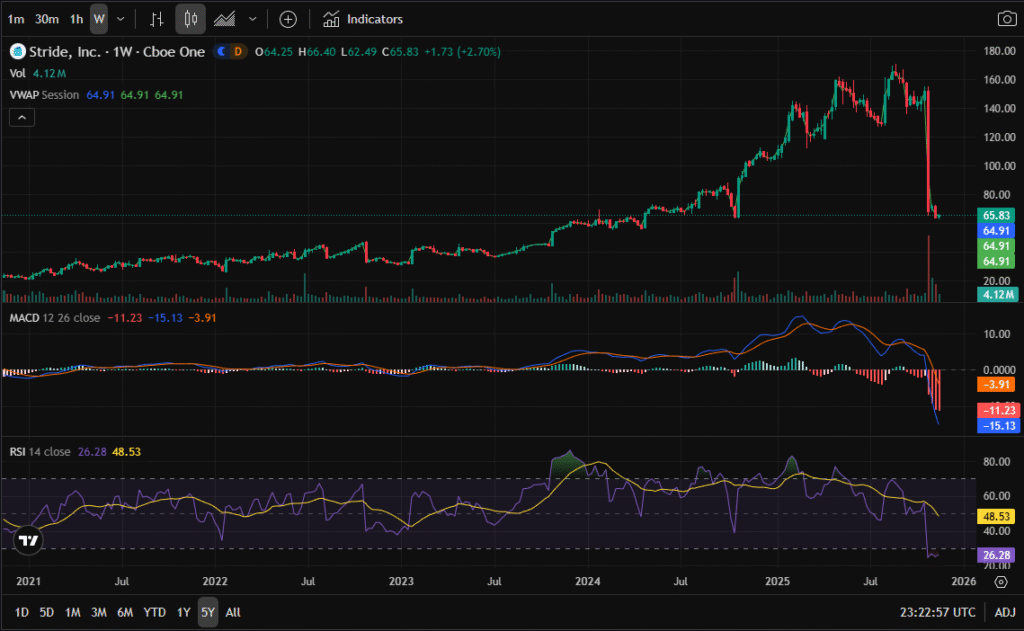
5-Year Chart
The long-term chart reveals that LRN fell exactly to its multi-year support zone, where institutional buyers have stepped in consistently since 2021. Weekly RSI is also heavily oversold.
This is the definition of a high-probability mean-reversion zone.
📈 Financial Analysis
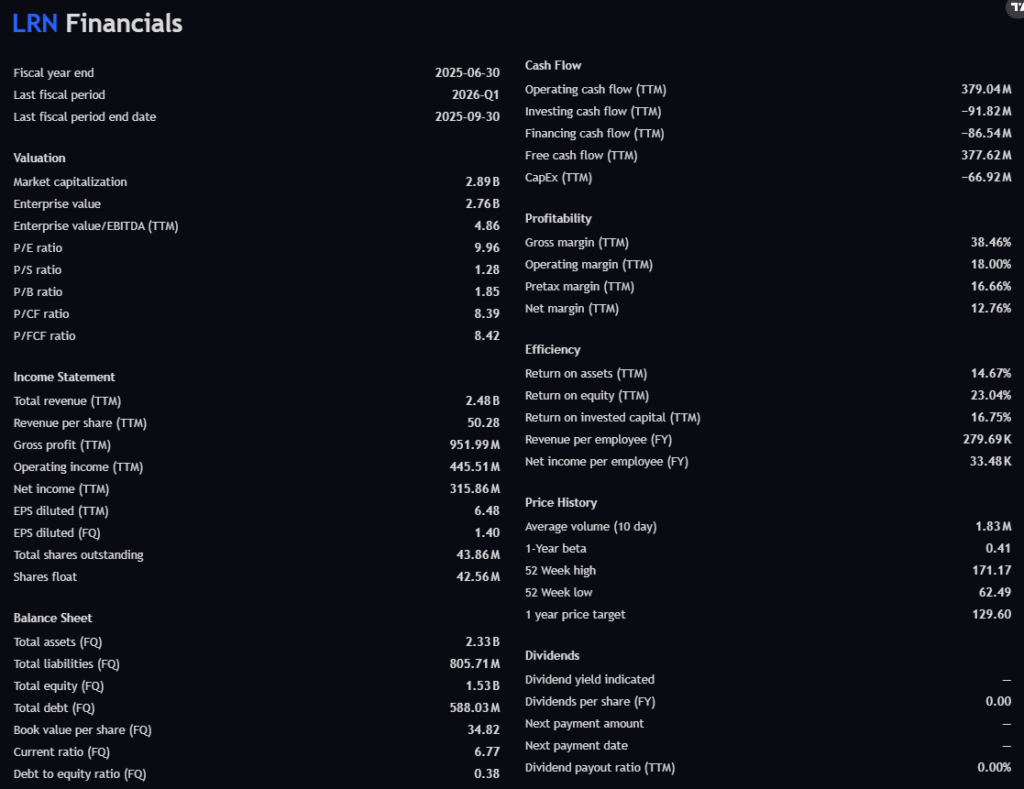
LRN’s fundamentals remain strong despite the crash.
- Positive Free Cash Flow: $377M
- Gross Margin: 38.46%
- Net Margin: 12.76%
- ROE: 23% (excellent)
- ROIC: 16.75% (value-creating)
- Debt/Equity: 0.38 (low leverage)
- P/B: 1.85 (undervalued relative to book value)
- P/E: 9.96 (deep value territory)
Nothing in the financials suggests insolvency, collapse, or deterioration. The selloff was not fundamentally driven.
This is precisely why reversals can be powerful.
📰 News Headlines Analysis
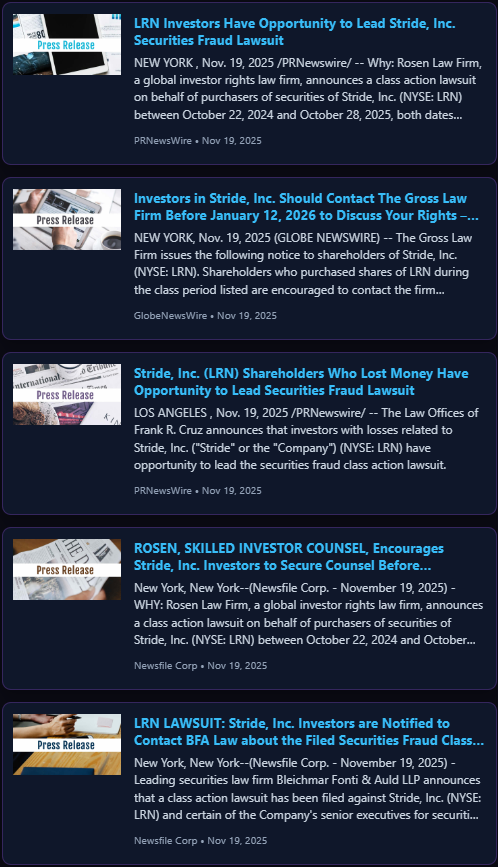
Recent headlines revolve around securities fraud class-action lawsuits — but these are commonplace after any steep stock drop. They are attorney-driven and do not reflect operational risk.
There is no negative guidance revision, no accounting scandal, and no liquidity crisis.
Thus, the news flow is headline noise, not fundamental impairment.
💼 Analyst Price Targets
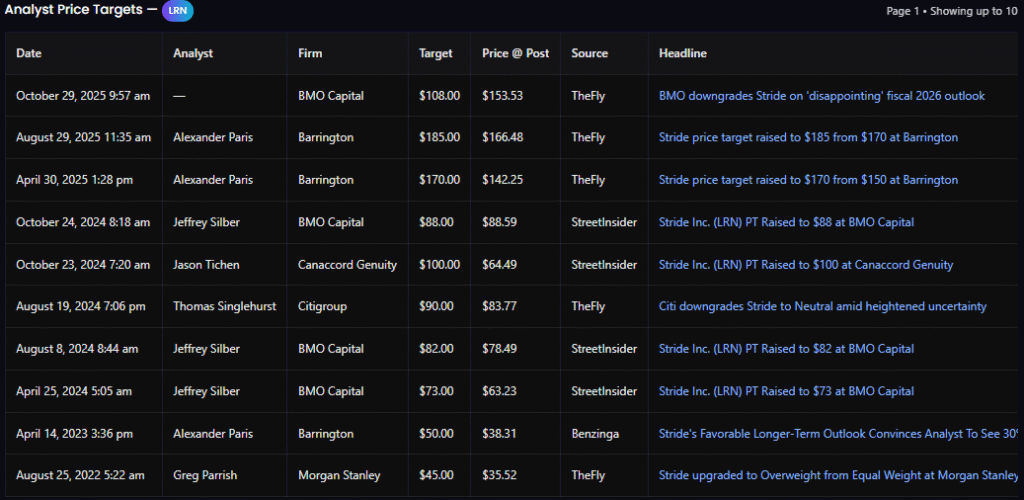
Despite the selloff, analysts maintain very high price targets:
- BMO: $108
- Barrington: $185
- Canaccord: $100
- Average target: ~$120–$140 range
No major firm downgraded the stock to “Sell.”
The outlook remains bullish based on long-term fundamentals.
This supports the thesis that the collapse is temporary.
🧑💼 Insider Trading & Senate Disclosures
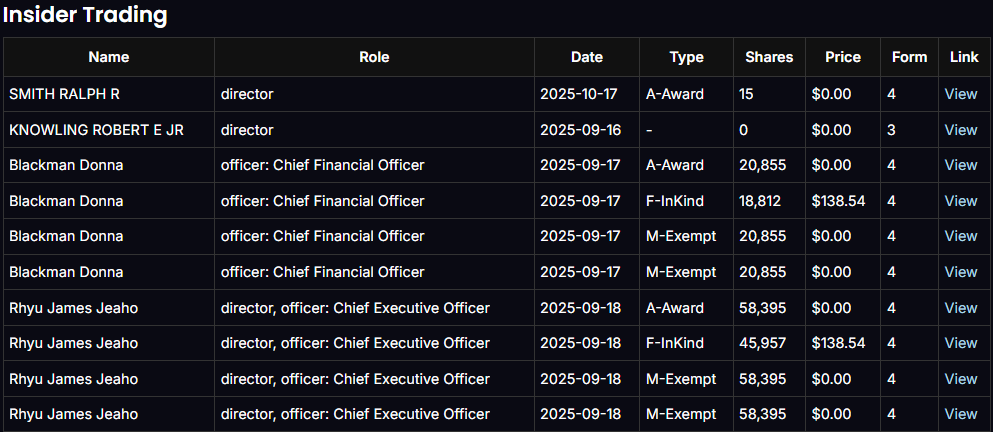
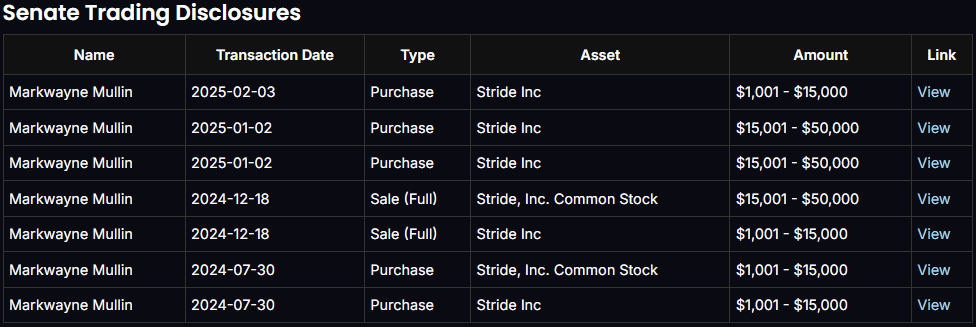
Insider activity shows:
- No meaningful insider selling
- CFO and CEO transactions are mostly zero-dollar awards/exemptions
- Senate disclosures show accumulation, not liquidation
There is no insider exodus, which is bullish.
💡 Options Flow Analysis
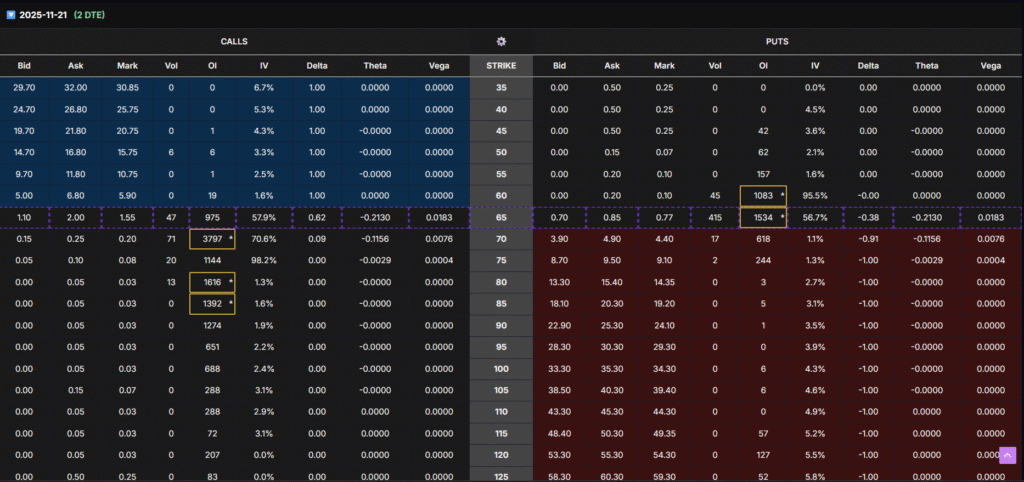
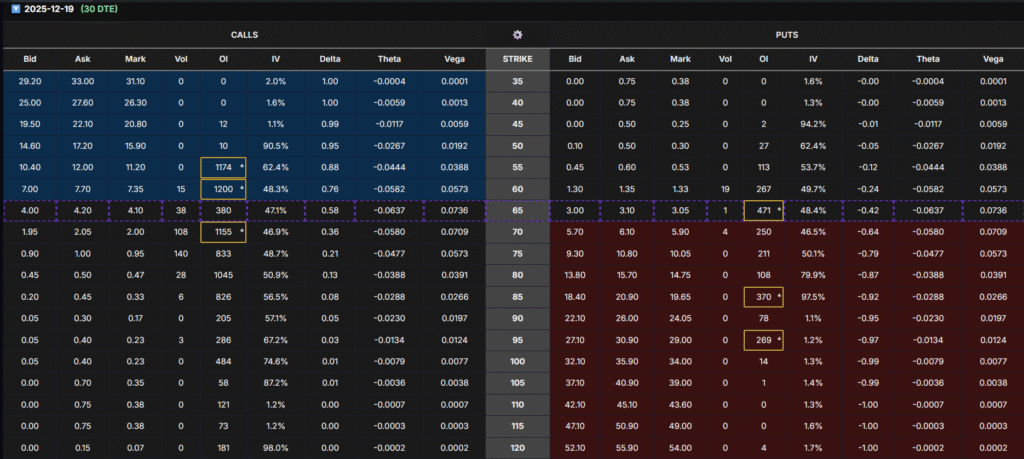
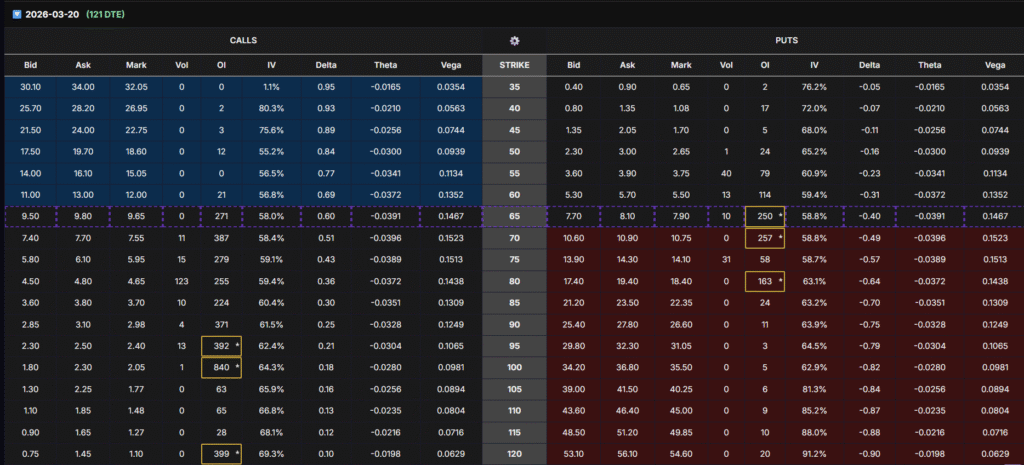
Across multiple expirations (2 DTE, 30 DTE, 121 DTE), call-side OI overwhelmingly dominates puts:
- Heavy call OI at 55, 60, 65, 70, 75, 80, 85
- 121-DTE expirations show OI stacked at 90, 95, 120, indicating expectations of a massive long-term rebound
- No put walls suppressing price
- No bearish hedging patterns
This is institutional accumulation, not bearish positioning.
⭐ The LEAPS Option Setup (June 18, 2026 – $55 Call)
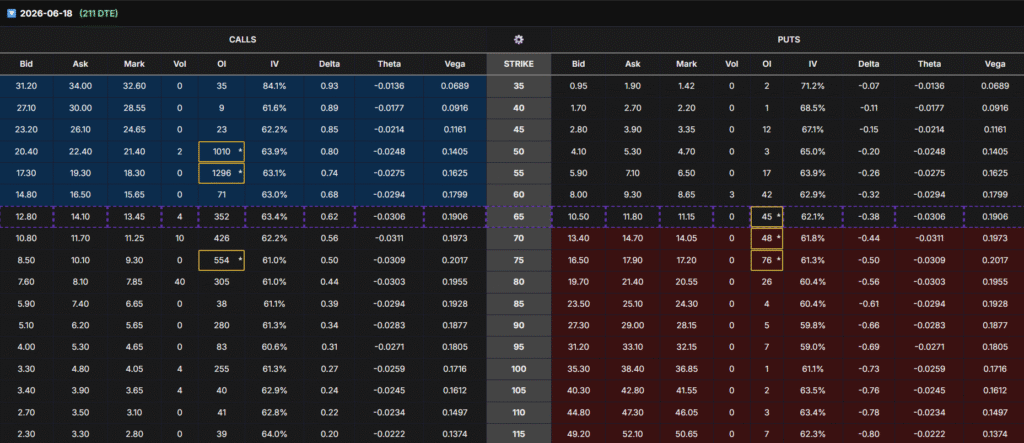
We select the June 18, 2026 $55 Call for these reasons:
✔ Delta: 0.74
Perfect balance — strong directional exposure without needing deep ITM.
✔ Highest OI on the Chain: 1,296
Institutional liquidity = better fills & stronger price behavior.
✔ Vega: Excellent
LRN is in a low-IV zone due to panic selling. When IV normalizes, vega boosts premium.
✔ Safe, Intrinsic-Value Support
The $55C does not require LRN to surpass $55 to profit.
We profit mainly from delta rise + IV expansion.
🎯 Entry Method: 3-Batch Buy Plan
Batch 1 — Enter NOW
Buy the June 18, 2026 $55 call.
Batch 2 — Enter Only When Options Price Drops -40% to -50%
(not stock price)
This allows cost-basis optimization and reduces volatility risk.
Batch 3 — Enter Only When THE SECOND BATCH drops -40% to -50% in OPTIONS PRICE
This third batch is optional but dramatically improves leverage into a reversal.
🎉 Profit Targets
- Take 80% profit: Close 2/3 of position
- Leave 1/3 running for 100%–150% potential
- Maximum hold time: 2 months
- If return stalls, simply roll forward to reset DTE
⚠️ Required Legal Disclaimer
This article is for educational purposes only and should not be taken as financial advice. Options involve substantial risk and are not suitable for all investors. You should allocate no more than 2% of your total investment portfolio per batch (maximum 6% total). Trading decisions remain your responsibility.